The Screendemic: How Digital Devices Are Reshaping Childhood


Remember when kids spent their afternoons playing outside until the streetlights came on? Today's childhood looks dramatically different. Children are growing up surrounded by screens from the moment they wake up to the time they fall asleep — and this digital immersion is creating what we now call a "screendemic."
A Startling Shift in Early Exposure
Here's a number that should make us pause : in 1970, children typically started regular screen engagement around age four. Today, that age has plummeted to just FOUR MONTHS OLD! Yes, you read that correctly — infants are now being introduced to screens before they can even crawl.

The COVID-19 pandemic threw gasoline on this fire, with youth screen exposure jumping by 52%. What was already a concerning trend became a full-blown public health crisis.
Understanding Screen Time

Before we dive deeper, let's clarify what we mean by "screen time." It refers to passive viewing of screen-based entertainment — scrolling through social media, watching videos or mindlessly browsing — not interactive or physically active screen activities. For children aged 5 and above, spending 2 or more hours daily on these passive activities is generally considered problematic.
The Toll on Young Bodies
Weight and Heart Health
The connection between excessive screen time and childhood obesity is alarming. Research shows that each additional hour of screen time increases obesity risk by 13%.

It's a perfect storm : kids are sitting still instead of playing actively, screens interfere with natural hunger cues leading to overeating and those flashy junk food commercials don't help either.
Sleep Under Siege

Screens are stealing our children's sleep. Using devices before bedtime suppresses melatonin (the hormone that makes us sleepy), revs up the brain when it should be winding down, and simply eats into the hours that should be spent sleeping. The result? Kids struggle to fall asleep, wake up frequently and get less rest overall.
Eyes and Posture Pay the Price

Ever notice your child rubbing their eyes after a long gaming session? "Digital eye strain" is real, causing dry eyes, blurred vision, headaches and even contributing to nearsightedness.

Add to that the hunched posture over tablets and phones and we're seeing kids develop neck, back and wrist pain that used to be problems for office workers, not children.
The Mental and Emotional Fallout
The impacts on mental health might be even more concerning than the physical ones.

Anxiety and Depression on the Rise
There's a clear dose-response relationship here : the more screen time, the higher the risk of depression. This pattern is especially pronounced in girls. Studies show children with excessive screen exposure experience significantly higher anxiety levels, including panic, generalized anxiety and social phobia.
The Addiction Trap
When kids spend two or more hours daily on screens, they show significantly higher potential for screen addiction.
The warning signs mirror other addictions : loss of interest in other activities, constant preoccupation with screens, inability to control the urge to use devices and withdrawal symptoms when screens are taken away.
Behavior and Attention Problems
Children with high screen time display more emotional dysregulation, hyperactivity, and ADHD-like symptoms. They're more distractible and have trouble sustaining attention. Early exposure to violent content can even increase the likelihood of antisocial behavior later.
Learning and Development Take a Hit

Academic Performance Suffers
Excessive screen time and the habit of juggling multiple screens at once (media multitasking) correlate with lower scores in language and mathematics. It's hard to excel academically when your attention is constantly divided.
Language Development Delays
Here's something many parents don't realize : every minute a young child spends staring at a screen is a minute they're not engaging in back-and-forth conversation with caregivers. These interactions are crucial for language development. Background TV makes it worse, interfering with how children use and process language.
Social Skills Deteriorate
Face-to-face interaction — especially with parents and primary caregivers—is irreplaceable for developing social and emotional competence. Research shows that high screen time at age four predicts lower emotional understanding later in childhood.
The Family Connection
Perhaps the most eye-opening finding is how parental behavior influences children's screen habits.

Parents who struggle with screen addiction tend to raise children with similar problems. Kids observe and imitate, learning that constant screen checking is normal behavior. When parents are glued to their own devices, meaningful parent-child interactions suffer, weakening the relationship. This creates a vicious cycle : children with poor parental relationships often turn to screens to fill the emotional void, which further damages the relationship.
There's even a chain effect at play : parental screen addiction can lead to parental anxiety, which diminishes the quality of the parent-child relationship, which then increases the child's risk of screen addiction.
Taking Back Control: What Parents Can Do
The good news? Parents have tremendous power to change this trajectory.
Follow Age-Based Guidelines
Under 2 years : Avoid screens entirely (except video chatting with family)
Ages 2-5 : Limit to one hour or less of high-quality content daily
Age 5 and up : Set consistent limits ensuring screens don't replace sleep, physical activity, learning or family time
Create Screen-Free Zones and Times

Make meals and bedrooms screen-free zones.
Turn off all devices at least one hour before bedtime. These simple rules can dramatically reduce overall screen time and improve family connections.
Be Actively Involved
Don't just hand your child a tablet and walk away.

Co-view content, discuss what you're watching together, and ensure everything is age-appropriate and educational. Interactive screen use is far better than passive consumption.
Model Healthy Behavior

This is crucial : you can't expect your child to have healthy screen habits if you don't.
Put your own phone down during family time. Your children are watching and learning from you every day.
Offer Irresistible Alternatives

Fill the void that screens leave with engaging activities : read together frequently, play board games, go on outdoor adventures and encourage physical activity.
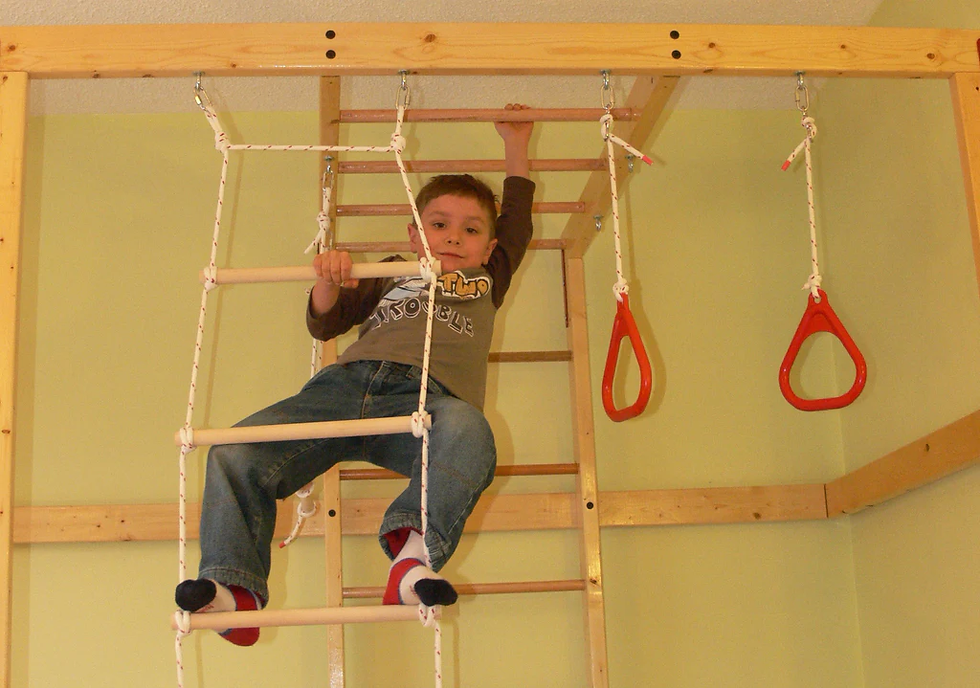
These alternatives aren't just screen-time replacements — they're protective factors that shield against mental health problems.
Beyond the Home: Schools and Communities
Parents can't do this alone. Schools should establish clear policies on screen time, use technology to enhance rather than replace traditional learning and incorporate screen-use assessments into health checkups.
Healthcare providers need to educate families about these risks.
Policymakers should push for stricter regulations on addictive content and promote physical activity in school curricula.
The Bottom Line

We're raising the first generation to grow up entirely immersed in digital media and we're learning in real-time about the consequences. The evidence is clear : excessive screen time harms our children's bodies, minds, and relationships.
But here's the empowering truth : we can change this. By setting boundaries, modeling healthy behavior, staying engaged with our children's digital lives and offering rich alternatives, we can ensure that technology serves as a tool for learning and connection rather than a source of harm.
The screendemic is real, but it's not inevitable. Our children's healthy development is worth the effort of managing their — and our own — relationship with screens.



Comments