The Complete Guide to Children's Tooth Care for Indian Parents

As parents, we want our children to have bright, healthy smiles that last a lifetime. But did you know that healthy milk teeth are just as important as permanent teeth? They help your child eat properly, speak clearly, smile confidently and even ensure proper spacing for adult teeth. Here's everything you need to know about caring for your child's teeth from infancy through their growing years.
When to Start? Earlier Than You'd Expect!

Start brushing as soon as the first milk tooth breaks through – typically around 6 months of age. Yes, even one tiny tooth deserves attention! Early care prevents cavities, pain and even growth delays that can result from poor oral health.
Your Child's Daily Brushing Routine
The Golden Rule
Children should brush last thing at night and on one other occasion during the day. This twice-daily routine is non-negotiable for healthy teeth.
Age-Appropriate Brushing
Babies and Toddlers (Up to 3 years):
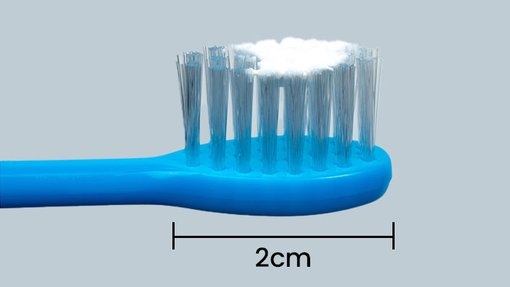
Parents should do all the brushing

Use a small, soft toothbrush designed for young children
Use rice grain sized smear of toothpaste
Use gentle, circular movements
Don't forget to brush the gums and behind the teeth
Brush for about 2 minutes
Young Children (3 to 6 years):

Parents should supervise all brushing

Children can participate, but you ensure thoroughness
Increase the toothpaste volume to pea-sized amount
Continue with 2-minute brushing sessions
Older Children (7+ years):

Children can brush independently
Supervision is still recommended to ensure proper technique
Check that they're brushing for the full 2 minutes
Choosing the Right Toothbrush
First Tooth to 12 Months:

Use a small, soft-bristled toothbrush designed for infants
Finger brushes (silicone brushes that fit on your finger) can be used but aren't necessary

A regular baby toothbrush works perfectly well from the start
The soft bristles are gentle on delicate gums and new teeth
1 to 3 Years:

Small-headed toothbrush with soft, rounded bristles
Choose one specifically designed for toddlers
Handle should be easy for parents to grip and control
3 to 6 Years:
Transition to a children's toothbrush with a slightly larger head
Soft bristles remain important
Fun designs or favorite characters can encourage cooperation
7+ Years:
Age-appropriate toothbrush with soft to medium bristles
Let them choose their own (within appropriate options) to encourage ownership
Manual vs Electric Toothbrushes
The Research: Studies show that powered (electric) toothbrushes may outperform manual ones in plaque removal, especially for younger children who lack the dexterity for proper manual brushing technique.

Benefits of Electric Brushes:
More effective at removing plaque
Built-in timers ensure 2-minute brushing
Require less manual skill
Many children find them more fun and engaging
The Bottom Line: Both work well when used correctly, but electric brushes can be particularly helpful for children who struggle with proper brushing technique. Choose what works best for your child and budget.
Universal Rule: Replace toothbrush heads or entire toothbrushes every 3 months or sooner if bristles look worn or frayed.
The Fluoride Formula: Getting It Right
Fluoride toothpaste is your child's best defense against cavities. It strengthens enamel and fights decay – but the amount matters!

The Critical Fluoride Rule
Never rinse with water after brushing! This is perhaps the most important tip many parents don't know. Rinsing washes away the protective fluoride coating. Instead:
Just spit out the excess toothpaste
Don't let your child eat or lick toothpaste from the tube
Avoid giving them water to rinse
Too much fluoride can cause dental fluorosis (white spots on teeth), so stick to the recommended amounts.

Professional Care: Your Dentist Is Your Partner
First Dental Visit
Take your child to the dentist when their first milk teeth appear, or before they turn 12 months old. Early visits help your child become comfortable with the dentist and allow early problem detection.
Powerful Preventive Treatments

Your dentist may recommend these highly effective treatments:
1. Fluoride Varnish (Ages 3+)
A high-fluoride coating painted on teeth
Applied at least twice yearly (every 6 months)
Especially beneficial for high-risk children
Strengthens enamel and prevents decay
2. Dental Sealants (Ages 6-14)
Thin plastic coating on permanent back teeth (molars)
Acts as a physical barrier against food and germs
Can prevent up to 80% of cavities for two years
Best applied to newly erupted permanent molars
3. The Winning Combination
Using both sealants and fluoride treatments together reduces cavities by approximately 70% compared to fluoride alone
Ask your dentist about this combined approach for maximum protection
Diet: The Foundation of Healthy Teeth
Here's a crucial fact: Tooth decay depends on HOW OFTEN your child consumes sugar, not just how much. Children who have sugary snacks more than three times daily have double the risk of cavities.
The Best Drink Choices
Plain water – the ultimate tooth-friendly drink
Unflavored milk – nutritious and safe for teeth
Avoid: Fizzy drinks, soft drinks, juice drinks, and sugary squashes
Smart Eating Habits
Restrict sugary foods and drinks to mealtimes only
Between meals, stick to water or milk
Never add sugar to your baby's food or drinks
Babies under 1 year don't need snacks – offer extra milk feeds instead
Bottle and Pouch Guidelines
Only give breastmilk, infant formula or cooled water in bottles
Never put juice or sugary drinks in baby bottles
Stop using bottles after your child turns 1 year old
Be cautious with food pouches – the sucking action bathes teeth in sugar and can cause decay
Making Tooth Care a Positive Experience

Building good habits early makes a lifetime of difference:
Start early so dental care becomes routine, not a battle
Make it fun with songs, timers or letting them brush your teeth too
Lead by example – brush together as a family
Stay positive – never use dentist visits as threats or punishment
Celebrate success – praise good brushing habits
The Bottom Line
Caring for your child's teeth is an investment in their overall health, confidence and future. Remember these key points:
✓ Start brushing at the first tooth
✓ Brush twice daily with the right amount of fluoride toothpaste
✓ Use age-appropriate toothbrushes (soft bristles always!)
✓ Consider electric toothbrushes for better plaque removal
✓ Never rinse after brushing
✓ Schedule dental visits starting at 12 months
✓ Keep sugary treats to mealtimes only
✓ Choose water or plain milk as regular drinks
✓ Beware of chewable vitamin supplements
✓ Combine professional treatments for best protection
Healthy teeth today mean a confident smile tomorrow. You've got this!
When in doubt, your dentist is your partner in your child's oral health journey. Don't hesitate to ask questions or schedule that check-up – prevention is always easier than treatment.


Comments