The Complete Guide to Newborn Umbilical Cord Care: Evidence-Based Tips for New Parents


Bringing your newborn home is an exciting time, but it can also feel overwhelming—especially when it comes to caring for that tiny umbilical cord stump. If you're wondering whether you should clean it with alcohol, leave it alone, or do something else entirely, you're not alone. Let's break down everything you need to know about umbilical cord care, backed by the latest medical evidence.
Understanding the Umbilical Cord Stump

After birth, the umbilical cord is clamped and cut, leaving a small stump attached to your baby's belly button.

This stump will gradually dry out, turn black, and fall off naturally—usually within 5 to 15 days, though it can occasionally take up to four weeks.
The Gold Standard: Dry Cord Care
For most parents in high-income settings with access to good healthcare, the answer is simple: keep it clean and dry.

Both the World Health Organization (WHO) and the American Academy of Pediatrics (AAP) recommend dry umbilical cord care for newborns in low-mortality settings. This means:
No alcohol
No antiseptics
No powders or lotions
Just clean, dry air
Research shows that in hygienic environments with access to healthcare, dry cord care allows the stump to fall off faster and doesn't increase infection risk.
What About Alcohol? The Common Practice Explained
You might have heard that cleaning the cord with 70% alcohol is standard practice—and you're right that it's commonly done, especially in community and traditional settings. However, here's what the evidence tells us:
Pros:
Culturally familiar practice
Gives parents something "active" to do
May provide psychological reassurance
Cons:
Can delay cord separation by several days
Doesn't actually prevent bacterial colonization
Generally unnecessary in clean, low-risk environments
Bottom line: While alcohol won't harm your baby, it's not necessary in most modern healthcare settings and may prolong the time it takes for the cord to fall off.
When Chlorhexidine Is Recommended
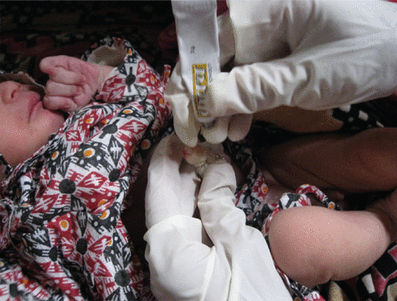
In high neonatal mortality rate (NMR) regions—particularly in community settings with limited access to healthcare—the WHO recommends applying chlorhexidine (an antiseptic) to the umbilical stump daily for the first week of life.
This intervention is specifically for:
Areas with high rates of newborn infections
Home births in settings with hygiene challenges
Communities with limited access to medical care
Chlorhexidine has been shown to significantly reduce the risk of omphalitis (cord infection) and newborn deaths in these settings, making it a cost-effective, life-saving intervention.
Step-by-Step Cord Care Instructions

Daily Care Routine
Wash your hands thoroughly with soap and water before and after touching the cord area. This is the single most important step.
Keep it dry and exposed to air as much as possible. Air exposure helps the stump dry out and fall off naturally.
Fold diapers down below the stump to prevent urine or stool contamination and allow air circulation.

If it gets soiled: Gently clean with plain water and mild soap if needed, then pat completely dry with a soft, clean cloth.

Leave it alone otherwise. Resist the urge to fiddle with it, apply products, or try to speed up the process.
Bathing Your Newborn
Until the cord falls off, stick to sponge baths rather than submerging your baby in water. This keeps the stump dry and promotes faster healing.

Once the cord falls off and the area heals completely (usually a few days after), you can begin regular tub baths.

What NOT to Do
❌ Don't apply oils, powders, lotions, or home remedies unless specifically instructed by your healthcare provider
❌ Don't pull or pick at the stump, even if it looks like it's hanging by a thread—let it fall off naturally
❌ Don't cover it with tight clothing or diapers—air exposure is your friend
❌ Don't use alcohol routinely if you're in a low-risk setting (though it won't cause harm if you do)
Signs of Infection: When to Call the Doctor
While cord infections are rare with proper care, contact your healthcare provider immediately if you notice:
Redness or swelling spreading beyond the base of the cord to the surrounding skin
Foul-smelling discharge or yellow pus
Persistent bleeding (more than a few drops)
Tenderness that causes your baby pain when you touch the area
Fever in your newborn
The cord hasn't fallen off after 4 weeks
A Little Bleeding Is Normal
Don't panic if you see a few drops of blood when the cord falls off—this is completely normal. Just keep the area clean and dry. However, if bleeding persists or is more than a few drops, contact your doctor.
The Bottom Line
Umbilical cord care doesn't have to be complicated. In most cases, the best approach is the simplest one: keep it clean, keep it dry, and let nature do its work.
In high-income, low-mortality settings: Dry care is the gold standard
In high-mortality community settings: Chlorhexidine application can save lives
Alcohol use: Common but generally unnecessary, may delay separation
Trust your instincts, practice good hand hygiene and don't hesitate to reach out to your pediatrician if you have concerns. Your baby's belly button will be healed and adorable before you know it!
Remember: Every baby is unique and your healthcare provider knows your specific situation best. Always follow their guidance if it differs from general recommendations.


Comments